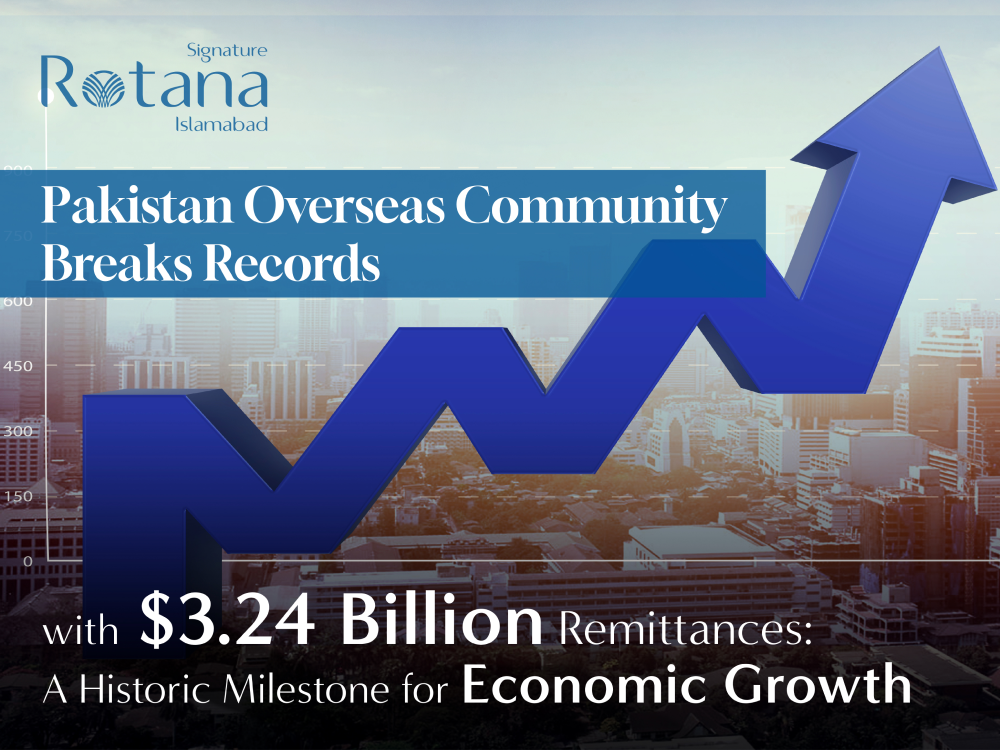

In an unprecedented achievement, Pakistan received an all-time high inflow of workers’ remittances, hitting $3.24 billion in May 2024. This historic development, announced recently, marks a significant milestone for the country’s economy, suggesting that the balance of the current account would remain in surplus for the fourth consecutive month.
According to data released by the State Bank of Pakistan (SBP), inward remittances soared by 54% to reach the record high level in May 2024, compared to $2.10 billion in the same month of the previous year. This surge comes ahead of Eid ul-Adha, which fell on June 17, indicating a seasonal increase as expatriates send money to their families to celebrate the festival.
Financial experts were pleasantly surprised by the higher-than-expected inflows. This is particularly noteworthy as the previous highest remittance inflow was recorded in April 2022 at $3.12 billion. The substantial growth in remittances is expected to turn the cumulative current account deficit into a surplus for the first 11 months ending May 2024, compared to a nominal deficit of $202 million in the first 10 months of the current fiscal year.
Stabilizing the Economy
The surge in remittances is a positive indicator for Pakistan’s economy, contributing to the stabilization of the country’s foreign exchange reserves and supporting the rupee against the US dollar in the short term. In May 2024, the inflow increased by 15% compared to April, and cumulatively, workers’ remittances grew by 7.7% in the first 11 months of FY24, reaching $27.09 billion compared to $25.15 billion in the same period of the last fiscal year.
Shahid Ali Habib, CEO of Arif Habib Limited, remarked, “With these inflows, it looks like Pakistan will record a current account surplus yet again in May 2024.” He attributed the surge to the festive season, as expatriates sent higher funds to their families to buy sacrificial animals and cope with elevated inflation during Eid.
Factors Driving Remittance Growth
Several factors contributed to this remarkable growth in remittances:
Rupee-Dollar Parity Stability: The months-long stability in the rupee-dollar exchange rate at around Rs278/$ and the narrowing gap between the formal and informal currency market rates encouraged non-resident Pakistanis to use formal channels for remittance transfers.
Incentives for Formal Channels: The central bank offered significant incentives to banks and exchange companies, enhancing their margins to attract maximum inflows from overseas Pakistanis. This initiative aimed to redirect remittances from informal channels to the documented economy.
Crackdown on Illegal Currency Traders: The recent crackdown by the caretaker government on illegal currency traders, such as hundi-hawala operators, especially in border areas, helped eliminate black market transactions. This cleanup operation encouraged expatriates to use official channels, boosting remittance inflows.
Country-wise Remittance Breakdown
The central bank’s data provides a detailed breakdown of remittances from various countries:
Investing in Hospitality: A Strategic Move in Current Circumstances
Given the robust inflow of remittances and the subsequent economic stabilization, investing in the hospitality sector in Pakistan presents a lucrative opportunity. Here’s why:
Booming Tourism Industry: Pakistan’s tourism industry is on an upward trajectory, with increasing numbers of international visitors. The influx of remittances provides a stable economic environment, making it an ideal time to invest in hotels, resorts, and other hospitality ventures.
High Demand for Quality Accommodations: With a growing middle class and increasing international travel, there is a rising demand for high-quality accommodations. Hospitality investments can cater to both domestic tourists and the expanding expatriate community visiting their homeland.
Economic Stabilization: The current stability in the rupee and the expected surplus in the current account balance provide a conducive environment for investment. A stable economy reduces risks and offers better returns on investments in the hospitality sector.
Government Incentives: The Pakistani government is offering various incentives to promote tourism and hospitality, including tax breaks and subsidies. These incentives make it more attractive for investors to enter the market.
Employment Generation: The hospitality sector is a significant employer. Investing in this sector can create numerous job opportunities, contributing to the overall economic growth and stability of the country.
Foreign Exchange Earnings: By attracting international tourists, the hospitality industry can generate substantial foreign exchange earnings, further bolstering Pakistan’s foreign exchange reserves.
Future Projections
Revised projections from Topline Research anticipate full-year inflows to grow by 8-10%, reaching between $29.5 billion and $30 billion in FY24. This is a notable increase from earlier estimates by the IMF and Topline Research, which had predicted remittances at $28 billion for the fiscal year ending June 30, 2024.
Conclusion
Conclusion
The record-breaking remittances in May 2024 mark a significant achievement for Pakistan, showcasing the resilience and generosity of its overseas workforce. The combination of strategic economic measures, seasonal inflows, and growing confidence in the domestic economy has led to this historic surge. As Pakistan continues to strengthen its economic foundation, these inflows play a crucial role in stabilizing the currency, supporting foreign exchange reserves, and maintaining a positive current account balance. With the economic landscape becoming increasingly favorable, investing in the hospitality sector emerges as a strategic move. The potential for high returns, coupled with government incentives and a stable economic environment, makes it an opportune time for investors to capitalize on this growing market. Eid ul-Adha has indeed brought a wave of blessings, not just in the form of family reunions and celebrations, but also in economic prosperity and stability for the nation.